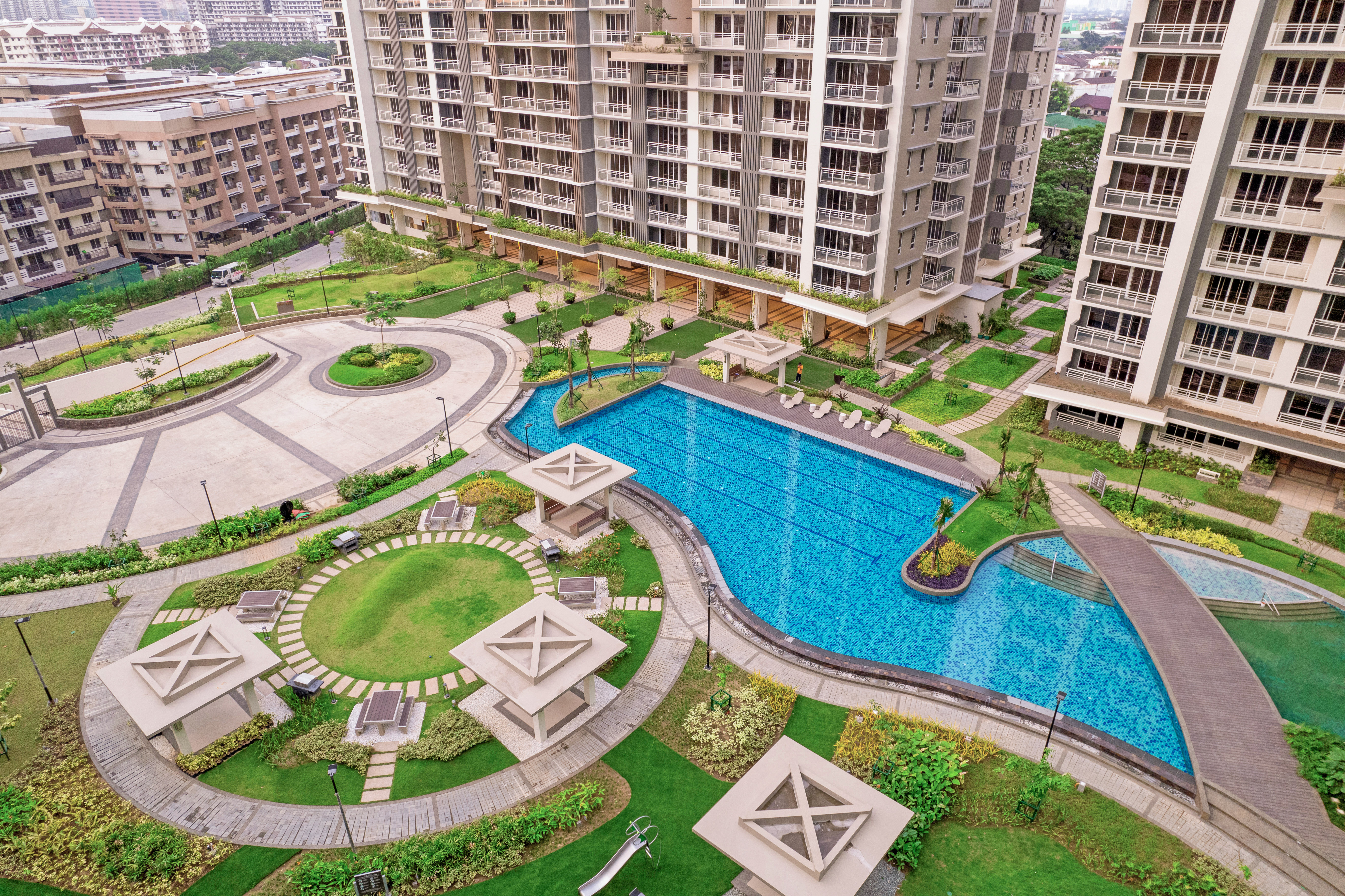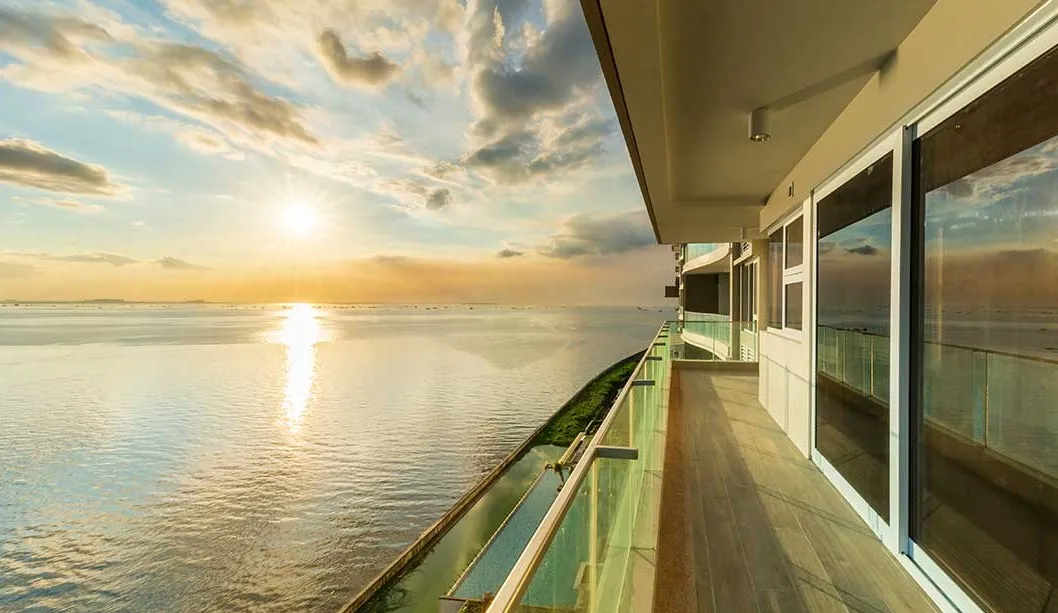
There's a quiet test you can run on any condo: imagine it ten years from today. Is the lobby still presentable? Are the corridors still clean? Are the amenities still functioning? Is the building still the kind of place you'd want to live in?
Most condos fail this test. The ones that pass have a few things in common.
Property management quality
A great building with poor property management ages badly. A modest building with strong property management ages gracefully. DMCI Homes runs its own property management arm, which is one of the structural reasons their older buildings still feel cared for.
When you visit a building, look at the lobby — but also look at the parking, the back service corridors, the trash room. That's where management quality really shows.
Material choices that survive
Painted finishes age. Stone, tile, and well-detailed wood age more slowly. The fixtures are less important than what's behind them — the plumbing, the electrical, the structural detailing.
Buildings that scrimp on the things you can't see are the ones that quietly become difficult to live in around year seven.
Density and air
Low-density master plans age better than maximum-density ones. Cross-ventilated buildings stay fresher than sealed ones. These aren't aesthetic preferences — they're practical reasons why some addresses become more desirable over time, and others quietly fade.
"I'd rather you choose well than choose quickly."
— Liz Tomnob, DMCI Homes International Property Specialist
Start a Strategy Conversation