Walk into most condo viewings in the metro and you'll feel it within thirty seconds — that sealed, slightly stale warmth that no amount of fragrance covers up. The marketing brochure talks about premium finishes and skyline views; what nobody tells you is that the building itself was never designed to breathe.
Heat in a condo isn't really about altitude or the time of day. It's about how air moves through the building — or whether it moves at all. Most high-rises in Metro Manila are double-loaded corridor designs: one long hallway with units pressed against either side. Air enters through your one operable window and has nowhere to go. Trapped air heats up. Aircon does the rest of the work, all day, every day.
What Lumiventt® actually does
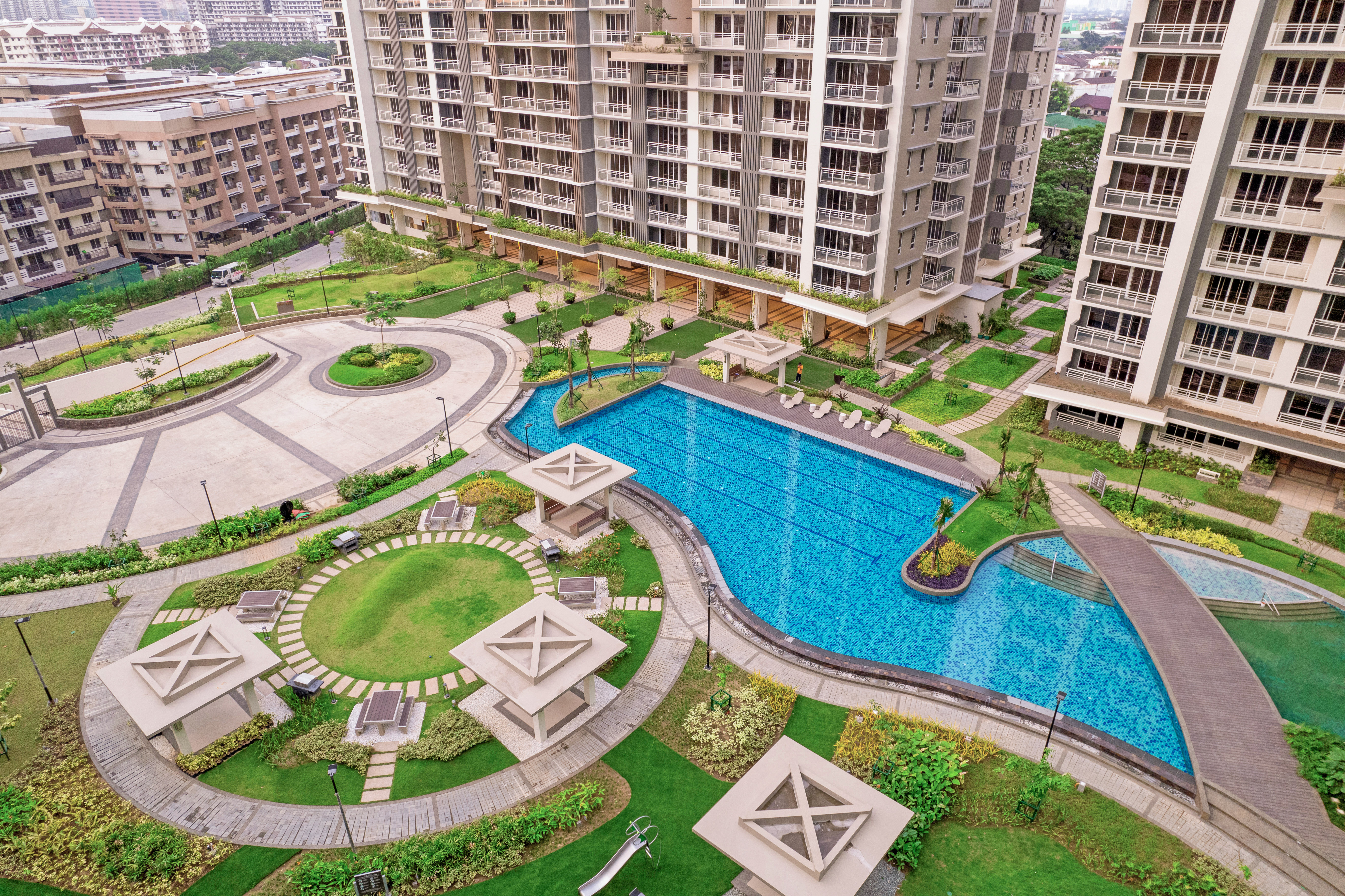
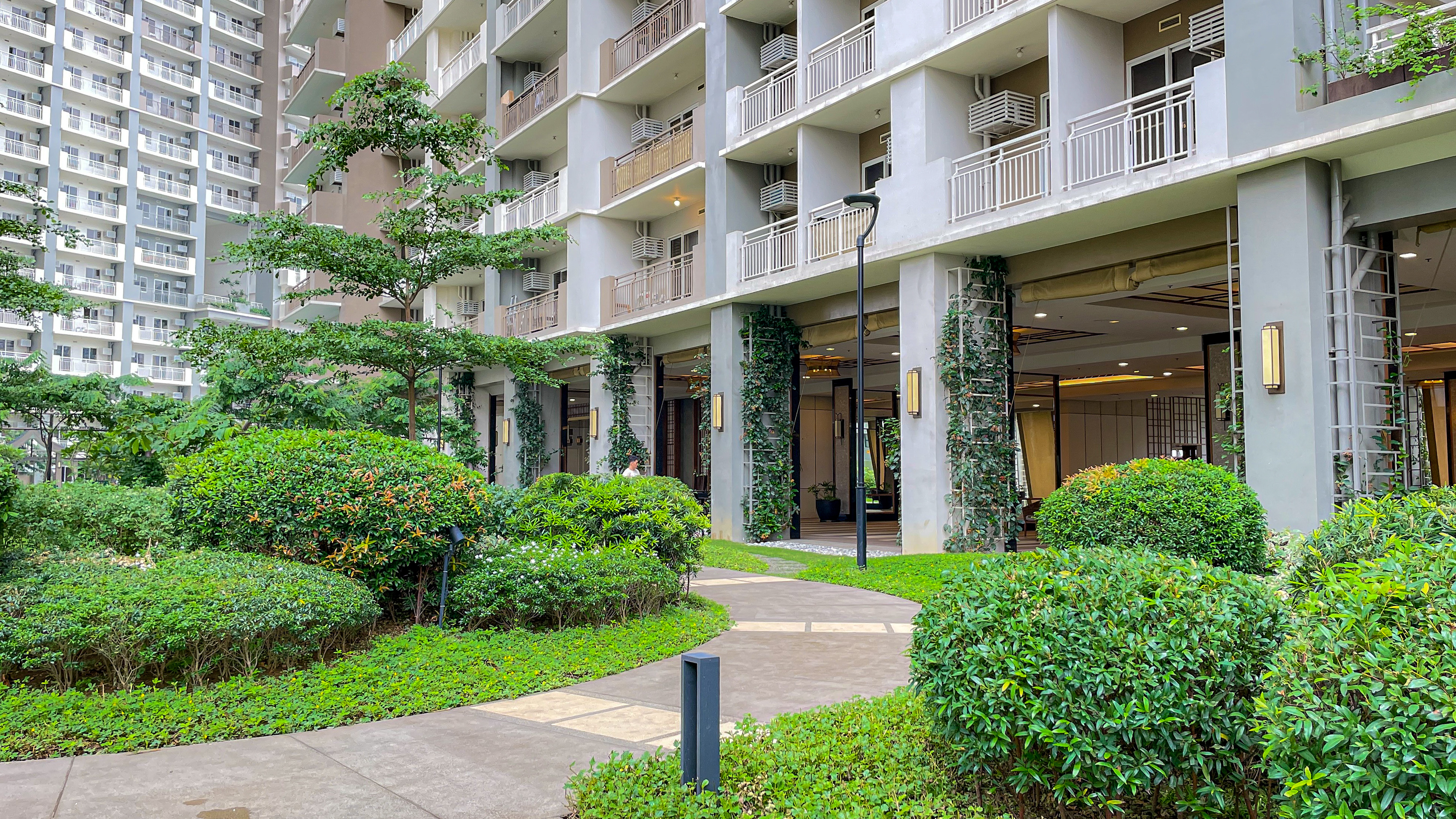
DMCI Homes' Lumiventt® design solves this with something that sounds simple and is actually quite difficult to engineer at scale: breezeways every five floors. Open-air sky patios cut through the building, allowing the structure itself to draw cooler air upward and release warm air outward. The corridors aren't sealed tunnels — they're shaded, ventilated paths.
The result, lived in over years, is a building that holds its own temperature better. Common areas stay cooler. Unit interiors don't accumulate heat through the walls. Aircon usage drops, particularly in the months that matter.
Why this matters at resale
Heat isn't just a comfort problem — it's an electricity bill, a tenant complaint, and eventually, a resale obstacle. Buyers walking through a hot building remember it. Tenants in hot units leave. Owners of those units quietly drop their asking rent to keep occupancy.
The buildings that age well are the ones designed for daily life — not for the showroom photo. That's the quiet structural advantage DMCI Homes has built into its portfolio for over four decades.
"I'd rather you choose well than choose quickly."
— Liz Tomnob, DMCI Homes International Property Specialist
Start a Strategy Conversation